
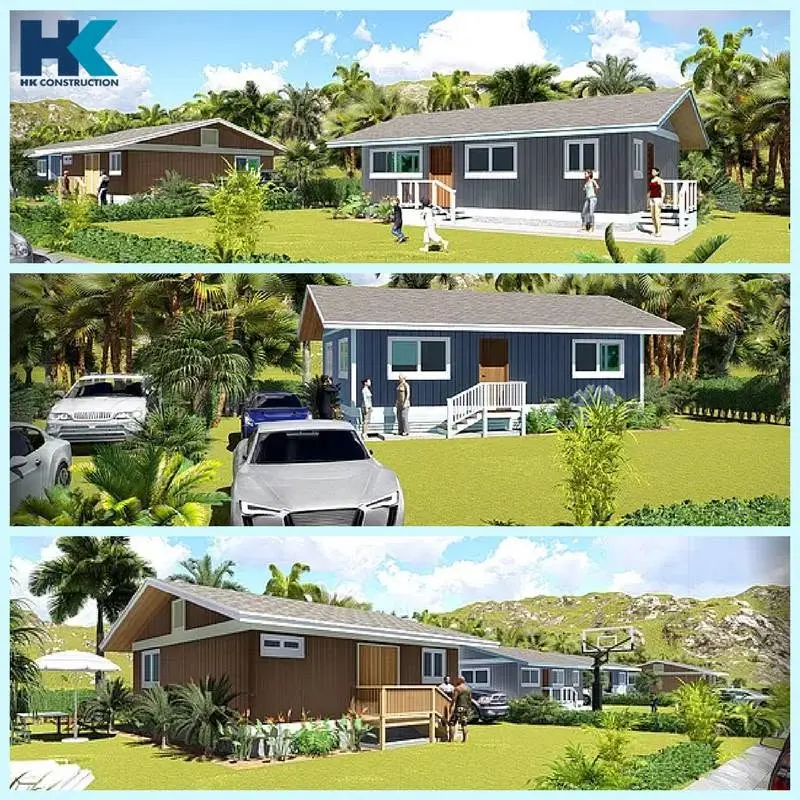
ADU budget planning in Honolulu should cover the entire project, not only the visible construction work. A realistic budget may need to account for design, permitting, site preparation, utilities, wastewater considerations, labor, materials, finishes, appliances, inspections, and funds for unexpected conditions or owner-requested changes. The final amount depends on the property, proposed size and layout, existing conditions, utility needs, material selections, and requirements identified during design and government review.
At HK Construction, we provide ADU construction and design services, including custom design plans, permit acquisition, construction management, and material-selection guidance. Our approach connects planning and construction so owners can make budget decisions around a more clearly defined scope.
What Should an ADU Budget Include?
A useful ADU budget is built around the full project scope. Depending on the property and design, owners may need to plan for:
- Design and project planning
- Engineering or other professional input when required
- Permit and application costs
- Site preparation and foundation work
- Plumbing, electrical, and HVAC work
- Water and wastewater requirements
- Interior and exterior materials
- Fixtures, cabinetry, countertops, and flooring
- Appliances
- Drainage or access-related work
- Inspections and required corrections
- Restoration of disturbed exterior areas
- Unforeseen existing conditions
- Owner-requested scope changes
Not every project includes every category. The goal is to identify which categories apply before treating an early estimate as a complete project budget.
Start ADU Budget Planning With the Property
Before owners become attached to a floor plan or finish package, the property itself needs attention. ADU eligibility and project requirements can depend on current zoning rules, existing structures, setbacks, access, easements, utilities, wastewater conditions, and other site-specific factors.
Honolulu’s Land Use Ordinance has undergone recent updates, including changes under Ordinance 25-2, so owners should confirm current requirements instead of relying on an older guide or a nearby project as proof of eligibility. The Department of Planning and Permitting maintains information on the current local zoning framework.
This matters to the budget because a design that does not fit the property may require redesign, additional professional work, or a different construction approach. Early verification can reduce avoidable rework, although some conditions may only become clear later.
Budget for Design and Major Decisions
Design determines more than appearance. It establishes how much space is being built, how rooms function, where utilities may need to run, and what materials are required.
A compact plan may have different construction demands than a larger or more complex layout. Attached and detached configurations can also create different structural, access, and utility considerations.
During design, owners should define the intended use, approximate size, room needs, storage priorities, accessibility considerations, and finish expectations. Late changes to kitchens, bathrooms, windows, walls, or exterior openings may affect several trades and could require revised documents. Clear decisions help the budget reflect the actual project instead of an early concept.
Account for Site Conditions, Utilities, and Wastewater
Two ADUs with similar floor plans can have very different site requirements. Potential budget factors can include grading, drainage, retaining conditions, existing foundations, trees, utility locations, property lines, easements, and access for workers and materials.
Utility planning may involve electrical capacity, water service, wastewater, sewer availability, trenching, drainage, metering, and the location of existing connections. Existing systems should not automatically be assumed sufficient for an additional dwelling.
Honolulu DPP explains that a Sewer Capacity Analysis is an official request for its Wastewater Branch to determine whether the City and County wastewater system has adequate sewer capacity for a proposed project. That type of property-specific review can affect planning and should be addressed before the budget is treated as complete.
Some Oahu properties are also exposed to combinations of heavy rain, humidity, wind, sun, or salt air. Material selection and moisture management should respond to the actual site rather than a one-size-fits-all assumption.
Separate Construction Scope From Finish Selections
A budget becomes easier to evaluate when owners know what is included in the construction scope and what still depends on selections.
Flooring, cabinets, countertops, plumbing fixtures, lighting, doors, windows, appliances, hardware, and exterior finishes can vary by specification. If selections remain open while pricing is being developed, the budget may use allowances.
An allowance is a placeholder amount for an item that has not been finally selected. Owners should understand which parts of the project are fixed, which are allowances, and what happens if a later selection costs more or less than the amount carried in the budget.
HK Construction incorporates material selection into the design development process, while our design-build approach considers design, materials, budget, and construction together. Finalizing key selections at the right stage can help keep design expectations aligned with the overall project scope.
Plan for Permits and Government Review
Permit requirements depend on the property and project. A preliminary concept should not be treated as automatic proof of eligibility or approval.
Honolulu DPP’s current building permit guidance notes that applicants may need to complete applicable pre-application items before submitting a building permit application. Government review may also identify corrections or additional documentation that affects the design, schedule, or budget.
HK Construction includes permit acquisition as part of its ADU process, including preparing and submitting the necessary project documentation. Final review and approval, however, remain with the appropriate permitting agency.
Keep a Project-Specific Contingency
A contingency is money reserved for conditions or changes that cannot be fully defined at the beginning. There is no single percentage that fits every ADU.
The appropriate reserve depends on how much uncertainty remains. Existing structures, difficult access, incomplete utility information, hidden conditions, permit corrections, engineering revisions, material changes, and owner-requested additions can all influence the final cost.
A contingency should not replace a complete scope. It is a separate budget layer for legitimate uncertainty after the known work has been defined.
Compare ADU Pricing by Scope, Not Just the Bottom Line
When comparing proposals, the lowest number is not automatically the most complete budget, and a higher number does not automatically guarantee quality.
Owners should ask what is included, excluded, assumed, or carried as an allowance. They should also clarify responsibility for design documents, permit coordination, site work, utility-related work, finish selections, and communication.
Useful questions include:
- Is the contractor properly licensed for the work?
- Is the scope detailed enough to understand what is included?
- Are exclusions and allowances clearly identified?
- How are owner-requested changes documented?
- Who coordinates permit submissions?
- What selections must be finalized before construction?
For Honolulu owners, ADU budget planning is most useful when design, permitting, site conditions, utilities, and construction are considered together rather than as separate decisions.
Frequently Asked Questions
1. How much should I budget for an ADU in Honolulu?
There is no single responsible number for every property. The budget depends on size, configuration, site conditions, design complexity, utilities, permit requirements, materials, labor, finishes, appliances, and unexpected conditions. A property-specific scope should be developed before relying on a construction number.
2. Can I create a budget before confirming that my property is eligible for an ADU?
You can create a preliminary planning budget, but major design and spending decisions should wait until current property requirements are reviewed. Zoning, existing structures, access, setbacks, utilities, wastewater conditions, and other rules can affect what is feasible. Current zoning requirements should be verified through Honolulu DPP for the specific property.
3. What ADU costs are commonly missed during early planning?
Owners may overlook design, permits, site preparation, utility work, wastewater review, inspections, finish selections, appliances, exterior restoration, and contingency funds. The applicable categories depend on the project.
4. Does HK Construction handle ADU design and permitting?
Yes. HK Construction’s ADU services include custom design plans, permit acquisition, construction management, and guidance with material selections. Final permit review and approval are handled by the appropriate public agency.
5. Should every ADU budget use the same contingency percentage?
No. A contingency should reflect the actual uncertainty in the property and scope. Existing conditions, access, utility information, design completeness, and unresolved work can all influence how much uncertainty remains.
Plan Your Honolulu ADU Budget With HK Construction
If you are considering an ADU in Honolulu, we can help you move from a general idea toward a defined design and construction plan. HK Construction provides ADU construction and design services with custom planning, permit acquisition, construction management, and material-selection guidance.
Contact us to discuss your property, goals, and proposed ADU scope. The earlier we understand the site and the decisions shaping the project, the more useful the budget conversation can become.