
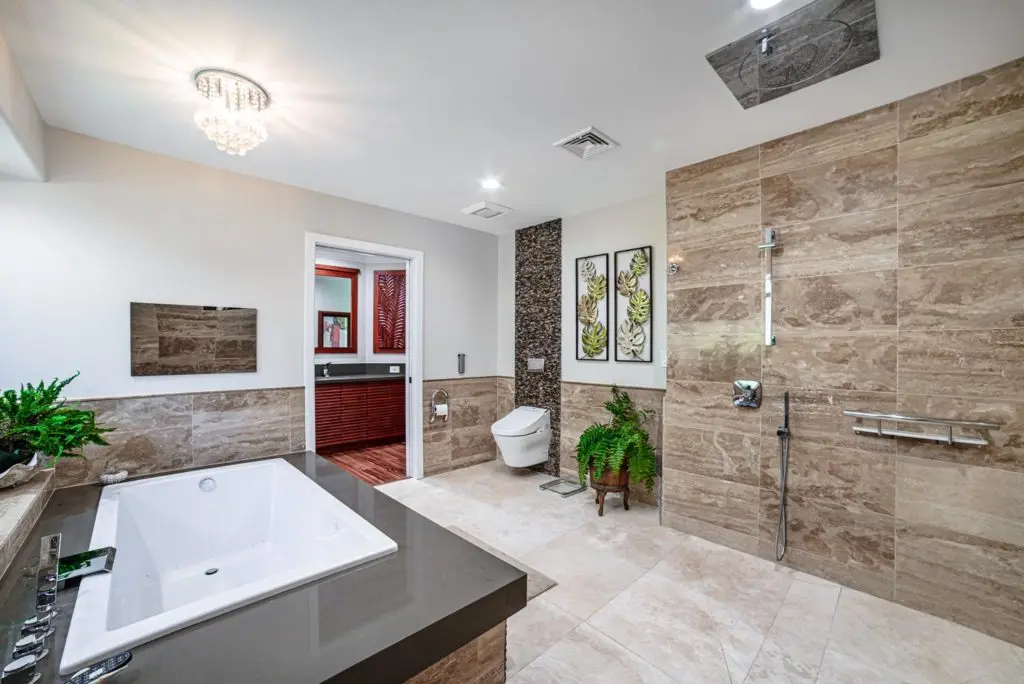
Renovating a bathroom in Hawaii comes with its own set of challenges and rewards. From the island’s salty air to its humid climate, choosing the right contractor and materials makes all the difference between a space that lasts and one that struggles. If you’re wondering how to find skilled local professionals who truly understand these unique conditions, or how to blend style with practicality without breaking the bank, you’re in the right place. This guide walks you through what to look for when hiring contractors, how to design bathrooms for island living, and tips on managing expenses, all rooted in real, everyday experiences of homeowners here in Hawaii.
When hiring a bathroom renovation contractor in Hawaii, choose a licensed and insured local professional familiar with island construction codes and weather considerations. Ensure clear communication about your design preferences and budget, and verify their experience with materials suitable for Hawaii’s humidity to guarantee durable and stylish results.
Finding Hawaii’s Best Bathroom Contractor
When it comes to construction on the islands, licensing isn’t just a formality; it’s a key indicator of professionalism and trustworthiness.
A licensed contractor in Hawaii carries a license number starting with “BC-” (such as BC-25837 for HK Construction), which means we have met strict state requirements, passed exams, and carry necessary insurance.
This licensing safeguards you against potential liabilities and ensures that your project is handled by someone who understands legal building codes specific to Hawaii’s unique environment.
Remember, over 95% of reputable contractors proudly display these credentials, so you shouldn’t settle for less.
Don’t shy away from requesting proof upfront; a good contractor won’t hesitate to share their license details and insurance coverage because it’s part of their commitment to transparency and quality.
Step II – Seek Local Recommendations
The value of word-of-mouth recommendations in island communities cannot be overstated.
Hawaii’s neighborhoods are close-knit, and referrals from friends, family, or neighbors can save you from costly mistakes or unexpected surprises.
But beyond personal contacts, don’t overlook the power of digital reviews on platforms like Yelp and Google, which aggregate broader customer experiences.
These collective insights provide a clearer picture of consistency and how contractors handle challenges across various projects.
When reading reviews, pay close attention to comments regarding timeliness, communication, and ability to stay on budget; these practical details often make or break your renovation experience.
Step III – Look for Island-Specific Experience
Hawaii’s environment presents challenges unlike anywhere else; high humidity, salty ocean air, and tropical weather patterns can all take a toll on building materials if not properly accounted for.
Therefore, selecting a contractor with demonstrated experience working on local homes becomes essential. You want someone who knows how to recommend moisture-resistant materials or ventilation solutions that fit island living needs, and who has a portfolio showcasing successful Hawaiian projects.
Trust contractors who openly discuss how they’ve adapted designs or used specific products to withstand Hawaii’s climate. This shows foresight and specialized know-how that protects your investment long-term.
During consultations, ask potential contractors about previous projects on Oahu or nearby islands. Seeing photos or even visiting completed works can give you confidence in their ability to deliver quality workmanship designed for our unique setting.
By verifying proper credentials, tapping into trusted community networks, and prioritizing those who understand Hawaii’s unique conditions, you’re laying a strong foundation for a successful renovation project.
Next, we turn to explore ways to blend aesthetics and practicality when crafting bathrooms that truly resonate with island living.
Designing Bathrooms for Island Homes
In Hawaii’s tropical climate, designing a bathroom requires more than just style; it demands smart solutions that handle heat and humidity while reflecting the unique island culture. Bathrooms here face constant challenges with moisture buildup, so thoughtful design is crucial not only for comfort but also to prevent long-term damage such as mold growth or wood warping.
One of the most effective ways to control humidity is by incorporating natural ventilation. Opening a window might seem basic, yet it’s an old-school method that still works wonders in keeping air flowing and moisture at bay. Placing windows or even skylights strategically where prevailing trade winds can sweep through helps transform your bathroom into an airy, fresh space. This kind of ventilation reduces reliance on electrical exhaust fans, saving energy and reducing noise pollution in your home.
For instance, a well-placed clerestory window above the shower area can let humid air escape quickly without compromising privacy. Such subtle details enhance not just function but also bring natural light flooding in, giving any small or shaded bathroom a brighter, more open feel.
Moving beyond airflow, the essence of island living should come alive in your bathroom’s look and feel.
Embracing local aesthetics means weaving elements that honor Hawaii’s rich environment and heritage. Utilizing native materials like lava rock or bamboo adds authenticity and warmth, but sourcing those sustainably is essential to preserving local ecosystems. Bamboo, for example, is fast-growing and renewable; used properly, it creates a beautiful texture on cabinetry or flooring while supporting eco-friendly choices.
Additionally, subtle references to the ocean or island flora through tiles or wallpaper patterns enrich the space with personality. Imagine a backsplash tiled in soft blues and greens evoking sea waves or wallpaper featuring stylized plumeria blossoms giving gentle hints of tropical blooms without overwhelming the senses.
These design choices go beyond trend; they create bathrooms that feel like an extension of Hawaiian nature itself. Aligning aesthetic decisions with durable materials suited for humid environments ensures your bathroom stays beautiful and functional for years.
Also worth considering are small design tweaks that meet practical needs triggered by island conditions.
For example, cabinetry raised slightly above the floor eases cleaning from sand or water tracked inside. Fixtures made from corrosion-resistant metals withstand salty air better than standard finishes. And installing moisture-resistant paint helps protect walls and ceilings from mildew formation.
Quick Design Tips for Island Bathrooms
– Prioritize cross-ventilation using dual windows or louvered vents. Select indigenous woods treated for moisture resistance. Use slip-resistant tiles that stay cool underfoot. Install dimmable LED lighting mimicking natural daylight. Incorporate underfloor heating if you desire warmth during cooler nights.
Thoughtful attention to these details transforms ordinary bathrooms into calming retreats shaped by Hawaii’s environment rather than battling against it, a harmony every homeowner deserves.
Integrating these principles not only elevates your daily experience but also protects your investment for decades, something top contractors like us at HK Construction prioritize with every project we undertake here on Oahu.
As you explore creative designs tailored for Hawaii’s unique climate, it’s equally important to understand how budgeting fits into bringing these visions to life.
Choosing Durable, Tropical-Friendly Materials
Hawaii’s warm, humid climate, laced with salty ocean breezes, creates a challenging setting for bathroom materials. Without proper care in selection, what looks beautiful today might degrade more quickly than expected. That’s why opting for durable, tropical-friendly materials isn’t just smart, it’s essential. The humidity can cause warping and mold growth, while salt exposure accelerates corrosion and wear.
Understanding these factors guides us in picking materials that blend beauty with longevity.
Moisture-Resistant Flooring
Floors take the brunt of moisture and spills daily, so selecting flooring that handles water well is key. Porcelain and ceramic tiles stand out as favorites because they are inherently resistant to water, humidity, and stains. Their non-porous surfaces don’t absorb moisture, which prevents mold from gaining a foothold beneath your feet.
Plus, keeping them clean is straightforward; a simple wipe-down is usually enough to maintain their shine and prevent buildup. An added bonus? These tiles hold up well under high temperatures without cracking or fading.
When choosing tile finishes and textures, matte or slip-resistant options can make your bathroom safer for everyone in your household. Polished tiles may look sleek but can become slippery when wet, an important consideration when families with kids or elderly members use the space.
Corrosion-Resistant Fixtures
Metal fixtures are more than aesthetic touches in a bathroom; they’re daily workhorses exposed to water sprays and moist air. In Hawaiian homes, especially close to the coastlines, steel fixtures tend to rust and deteriorate quickly because of salty air exposure.
The solution lies in stainless steel or brass fixtures, which resist corrosion far better.
Studies and field experience show brass fixtures can last up to 20 years longer than regular steel in tropical climates before signs of wear appear. Beyond longevity, brass offers a warm tone that complements tropical décor beautifully while requiring little maintenance beyond occasional polishing.
Stainless steel brings a modern look paired with robust resistance against rust and discoloration.
When working with a contractor at HK Construction here on Oahu, it’s worth discussing your fixture choices carefully; we’ll help balance style preferences against long-term maintenance needs and budget constraints.
Mold-Resistant Paint
Walls and ceilings are vulnerable fronts for mold growth due to constant exposure to steam and moisture generated by showers and baths. Applying mold-resistant paint acts as an invisible shield that prevents fungal spores from settling and multiplying.
This isn’t just about avoiding ugly black spots; it directly contributes to healthier air quality inside your home, especially important if family members suffer from allergies or asthma.
Choosing such paint often means looking for products fortified with antimicrobial agents designed specifically for wet environments. These paints typically allow walls to breathe while blocking the passage of moisture into drywall or plaster underneath, a balance crucial in humid climates like Hawaii’s.
If you’re renovating a bathroom that sees multiple daily uses, investing a bit more upfront on these finishes can save you significant time and expense down the line by reducing repainting frequency and improving indoor comfort.
Beyond materials themselves, installation techniques tailored to tropical conditions further safeguard your renovation investment, something experienced local contractors are eager to share during your planning phase.
Understanding the right timing and scheduling for your renovation ensures smooth progress amid Hawaii’s unique weather patterns and community regulations. With durable materials selected, coordinating project timelines is the next critical step toward realizing your ideal bathroom space.
Scheduling and Timing Projects
Proper timing can make all the difference in the renovation experience, especially here in Hawaii, where weather patterns and contractor availability strongly influence progress. You’ll want to think of scheduling not just as picking a start date but as strategically positioning your project within the calendar for maximum efficiency and savings.
Many homeowners overlook this detail, only to encounter costly delays or rushed finishes.
One smart move is to schedule your bathroom remodel during off-peak seasons. In Oahu’s construction industry, early spring (March to May) and late fall (September to early November) typically see a dip in project demand.
Scheduling during off-peak hours also helps reduce wait times for critical materials, which often get backlogged when everyone crowds the same windows during peak season.
This means fewer headaches waiting for tile deliveries or plumbing fixtures and smoother transitions from one phase of construction to another. Importantly, a less hectic workload also allows contractors to focus on craftsmanship rather than rushing through jobs.
On the flip side, avoid starting major projects during Hawaii’s rainy season between November and March. The islands’ signature wet weather can wreak havoc on outdoor work phases such as demolition, plumbing rough-ins, or any tasks involving exterior access for material deliveries.
Excess moisture can delay drying times for concrete or adhesives used in tile setting and paint application, which may push back completion dates unexpectedly and test your patience.
Beyond weather, consider how your own lifestyle intersects with timing decisions. If you’re juggling home life or work commitments, scheduling downtime thoughtfully around your remodel can save stress.
For instance, planning during school breaks or vacation periods might be ideal so you can oversee progress or avoid living in construction chaos day-to-day.
When working with professionals at HK Construction, a team with over 35 years of experience on Oahu, you can expect guidance tailored not just to your budget but also to your timeline needs.
We manage every stage from initial consultation through design choices and material sourcing to final completion.
Their expertise includes coordinating precise schedules that align with local permit processes and vendor timelines, eliminating surprises along the way.
Thoughtful scheduling helps mitigate risks common in tropical climates while optimizing budget and convenience. This foundation supports using durable, tropical-friendly materials combined with expert craftsmanship to transform your bathroom into a space designed for island living.
Having arranged your project timeline strategically, the next step is ensuring everything holds up after construction finishes. Moving forward, we explore key quality checks and maintenance strategies that protect your investment and keep your bathroom looking its best over time.
Post-Renovation Quality Checks and Maintenance
Once the renovation wraps up, the real test begins, not just in enjoying your refreshed space but in ensuring every detail holds up to time and use. A thorough walkthrough with your contractor is indispensable before releasing the final payment. This step is your chance to verify that every fixture aligns perfectly with your vision and that no hidden issues, like moisture leaks or loose fittings, lurk beneath the surface.
It’s not uncommon for small adjustments or fixes to be required when everything settles, so approaching this walkthrough with a sharp eye pays off in peace of mind down the road.
Inspect meticulously: open cabinets, flush toilets multiple times, turn faucets on and off, and check that tile grout remains intact without cracks or gaps. Moisture intrusion is the silent enemy of bathroom durability; catching it early can prevent costly repairs or health risks tied to mold. Remember, Hawaii’s humid climate demands vigilance here more than perhaps anywhere else.
The work doesn’t end once the contractors leave. Regular maintenance is vital to preserving your bathroom’s beauty and function.
Establishing a schedule for quarterly inspections can make all the difference. This routine allows you to spot wear on grout lines, signs of early mold or mildew, or any loosening of fixtures before these escalate into major headaches.
Make these inspections simple but systematic:
- Examine caulking around tubs and showers for cracks.
- Feel under sinks for dampness.
- Ensure exhaust fans work efficiently to manage humidity.
- Keep an eye on any discoloration that may hint at water damage.
Keeping a dedicated checklist tailored to your specific renovation details will help maintain consistency over time.
- Confirm all contractors were properly licensed and insured to avoid liability issues or substandard repairs.
- Prioritize natural ventilation with well-positioned windows or reliable exhaust systems; Hawaii’s tropical atmosphere intensifies moisture concerns.
- Use native and moisture-resistant materials wherever possible; they perform better long-term within the island environment.
- Build a budget cushion of 10–15% during planning phases, anticipating unexpected upkeep or small touch-ups after initial use.
- Schedule renovations ideally outside of Hawaii’s rainy season to reduce moisture complications during construction and drying phases.
- Conduct comprehensive post-renovation walkthroughs with an informed checklist to catch discrepancies early.
Embracing this proactive mindset doesn’t just prevent disaster; it transforms maintenance into a manageable rhythm that protects your investment while enriching daily comfort in your Hawaii home.
If you’re searching for a trusted home renovation contractor in Honolulu, HK Construction is your local design and construction company specializing in bathroom remodeling, kitchen renovations, home additions, and full home remodeling services across Oahu. With over 35 years of experience building and renovating homes in Hawaii’s unique climate, our team delivers durable, high-quality results tailored to island living. Whether you’re planning a bath and kitchen remodeling project or a complete home renovation, we’re here to guide you from concept to completion. Schedule your consultation today by calling (808) 841-1800 to start your Honolulu home remodeling project with confidence.