
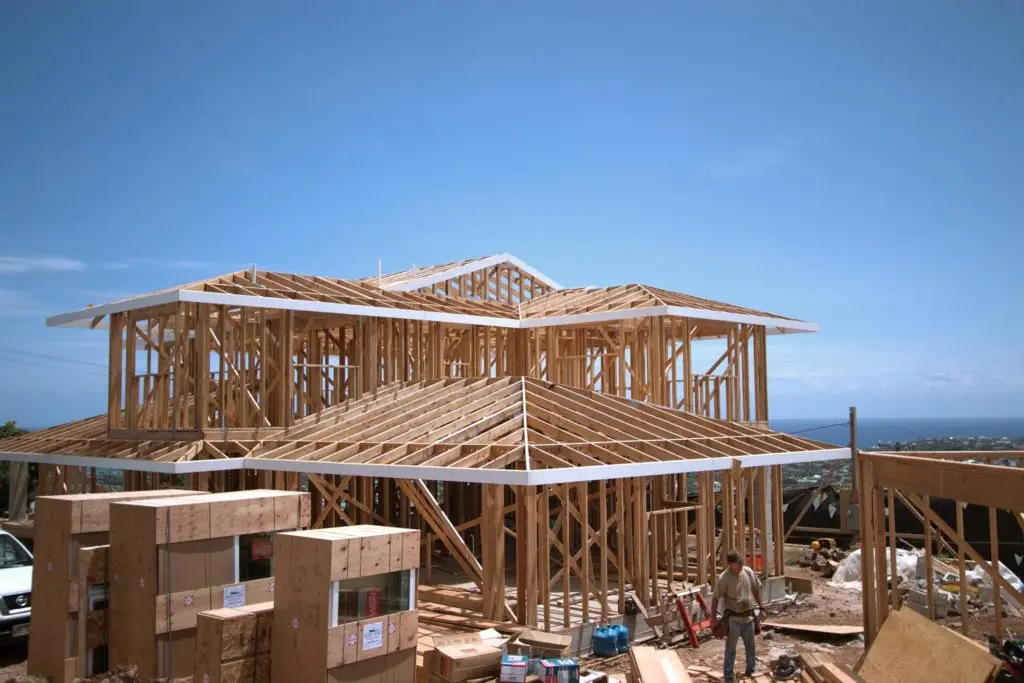
Building a home in Hawaii comes with its own set of challenges and rewards. From weather that changes on a dime to the need for blending style with the culture, deciding how to approach your project can feel overwhelming. That’s where design-build contractors step in, offering a smoother way to handle everything from the first sketch to the final nail. If you’ve wondered what makes this approach special here in Hawaii, let’s explore how these teams bring together creativity, expertise, and local know-how to make your dream home a reality.
Design-build contractors in Hawaii distinguish themselves by offering an integrated approach that combines both design and construction services under one roof, ensuring seamless communication and collaboration throughout the project. This method results in personalized solutions tailored to Hawaii’s unique climate, lifestyle, and cultural preferences, while often reducing project timelines and costs compared to traditional delivery methods.
Design-Build Contractors Explained
At its core, the design-build approach simplifies the construction journey by combining design and building services under a single contract and company. This means you don’t have to juggle separate agreements or coordinate between an architect and a contractor; one team handles everything.
For homeowners in Hawaii, where conditions like humidity, salt air, and unique local regulations come into play, having one responsible party overseeing both design and construction ensures that these challenges are addressed cohesively rather than piecemeal.
The integration of design and construction cultivates a clear line of accountability. When you work with HK Construction, you benefit from a team that not only dreams up the vision of your home but also materializes that vision with precision.
This continuity reduces costly misunderstandings and redesigns that often occur when responsibility is split. It also streamlines communication, a vital factor when managing complex projects involving permits, zoning laws, or specific environmental guidelines.
Another significant advantage is how this model empowers early problem-solving. Usually, when architects and builders operate independently, practical considerations sometimes surface too late, during construction, which can delay timelines and inflate budgets.
With design-build teams collaborating from day one, they proactively identify potential obstacles such as site constraints, material availability, or climate-adaptive measures like ventilation strategies suited for Oahu’s trade winds.
As a result, this approach fosters innovation. For example, the joint effort of designers and builders working together allows them to experiment with modern building techniques or sustainable materials that naturally suit island living while reflecting your personalized lifestyle.
This synergy is what sets apart design-build firms: clients get homes that aren’t just structurally sound but tailored thoughtfully for Hawaii’s environment and cultural context.
Moving beyond coordination benefits, design-build also offers tangible advantages in time management and cost efficiency, important areas for anyone investing in a dream home on Oahu.
Understanding these practical benefits prepares you to appreciate how contractors uniquely navigate the demands imposed by Hawaii’s distinctive climate conditions.
Adapting to Hawaii’s Climate
Hawaii’s tropical environment challenges construction projects with its unique blend of heat, humidity, salty ocean air, and sudden heavy rains. This means design-build contractors here must go beyond traditional building approaches; they have to adapt every detail to withstand these conditions while keeping homes comfortable and durable. It’s not just about throwing up walls; it’s a deliberate dance between nature and craftsmanship.
One of the first considerations is selecting weather-resilient materials specifically engineered to resist moisture damage, corrosion, and pest infestations common in island settings. Concrete, for instance, holds up well against humidity and doesn’t warp or rot like untreated wood might. But raw concrete can feel cold and harsh, so experienced contractors use specially treated woods and coated fasteners that both survive the elements and maintain an inviting warmth unparalleled by synthetic materials. These protective treatments help prevent termite damage, which is rampant in Hawaii, as well as combat rust caused by salt air that constantly on surfaces. This attention to detail in material choice forms the backbone of a home’s longevity and reduces costly repairs down the line.
Moving beyond materials, ventilation and cooling strategies are critical, and they’re where Hawaii’s natural climate becomes an asset rather than a liability. Passive ventilation designs harness consistent trade winds passing through islands by incorporating features such as large overhangs that shade interior spaces while allowing airflow, tall ceilings that let hot air rise away from living areas, and strategically placed windows aligned to capture breezes from multiple directions. Homeowners often notice how these architectural decisions bring a refreshing touch without turning on a fan or air conditioning, enhancing energy efficiency and comfort year-round.
These passive cooling methods not only reduce utility bills but also align perfectly with sustainable living goals increasingly embraced by people who want their homes to blend respectfully with the land rather than fight against it. The effectiveness hinges on correct placement, windows need cross-ventilation potential, overhangs must block direct sun yet allow indirect light in, and building orientation should consider prevailing wind patterns specific to the neighborhood’s microclimate. This level of planning demands expertise typical of design-build firms deeply familiar with local environmental nuances, knowledge passed down through generations rather than simply lifted from mainland blueprints.
Ultimately, adapting homes to Hawaii’s climate involves weaving together rugged durability with thoughtful design cues that invite nature inside while sheltering from its harsher moods. It is this balance that sets apart local design-build contractors who recognize that a house in Hawaii isn’t just a structure, it’s a lifestyle statement built around comfort, resilience, and respect for the islands’ ever-changing weather moods.
For those looking at new builds or remodels, partnering with contractors who prioritize climate adaptation means investing in long-term peace of mind: fewer maintenance headaches from moisture damage or termite issues, naturally cooler interiors without sky-high electricity bills, and exteriors designed to withstand storms without frequent patch-ups. In places like Honolulu, where the ocean meets the home at every turn, this approach is priceless.
Understanding how the environment shapes construction opens doors to exploring how architectural choices express culture and climate harmony on these islands. Next, we navigate styles that define Hawaii’s distinctive residential character.
Architectural Styles in Hawaii
Architecture in Hawaii is more than just a visual identity; it’s a reflection of the culture, climate, and history. Among the defining styles, the Plantation style in Hawaii stands out for its enduring charm and practical design. This style originated during the plantation era, designed to shelter families from tropical rains while encouraging airflow in warm weather.
Its low-pitched roofs and broad lanais create shaded outdoor spaces perfect for enjoying ocean breezes, while wide verandas link interior and exterior living seamlessly.
The beauty of this style lies not just in its aesthetics but in its adaptability. Using local materials and simple construction techniques, Plantation homes make smart use of cross-ventilation to reduce reliance on air conditioning, a perfect nod to sustainable living long before it became a trend.
For many residents on Oahu and beyond, this style offers both nostalgia and comfortable functionality.
Moving forward into modern times, we see Modern Tropical architecture pushing the envelope by blending clean lines and contemporary design with the natural surroundings.
Think expansive floor-to-ceiling windows that open up to stunning views, bridging indoor spaces with lush greenery outside. The use of natural building materials like lava rock or sustainably harvested bamboo makes these homes feel grounded in place while meeting current demands for open-concept living and energy efficiency.
At HK Construction, we have embraced this approach wholeheartedly. Our projects often combine these historic roots with modern innovations, balancing aesthetics and practicality, to craft homes that function beautifully in Hawaii’s unique setting.
The result is timeless architecture that anticipates client lifestyles while respecting island traditions.
Understanding architectural style is essential, but equally critical are the personalized design-build services that bring these visions to life smoothly. Exploring what sets these contractors apart on Oahu reveals how they provide unique advantages tailored to island living, paving the way for seamless project success.
Core Services Provided
Design-build contractors like HK Construction deliver a full spectrum of services carefully tailored to meet the distinct challenges and opportunities presented by Hawaii’s climate, lifestyle, and regulatory environment. The process begins with design consultation, where the team works closely with clients to transform their ideas into realistic, functional plans. This collaboration ensures that each project reflects not only personal taste but also practical considerations such as ventilation, natural light, and resistance to tropical weather.
Once the vision is clear, material selection assistance plays a critical role. Choosing materials isn’t just about looks; in Hawaii, durability against salt air, humidity, and occasional storm events is vital. That’s why experienced contractors help clients navigate options, from corrosion-resistant metals to sustainable lumber, balancing longevity with aesthetic appeal. This guidance shields homeowners from costly maintenance down the road and ensures the finished home stands up beautifully over time.
A project’s success hinges on effective project management, which design-build firms handle with hands-on oversight. Managing permit applications, coordinating inspections, scheduling subcontractors, and ensuring safety standards are met may sound mundane, but these steps are crucial for keeping timelines intact and avoiding costly delays common in island construction. HK Construction’s proactive communication means clients rarely face surprises or confusion during this complex phase.
When it comes time for actual construction, skilled tradespeople bring the plan to life using precise craftsmanship honed by decades of experience working on Oahu’s diverse terrain. The construction services offered go beyond simply building walls; they integrate energy-efficient systems and smart-home features if desired and incorporate design details that embody the spirit of island living. This comprehensive approach results in homes that aren’t just structures but comfortable sanctuaries tuned to their surroundings.
Beyond building expertise, many design-build firms recognize financial planning as a barrier for clients embarking on home projects. That’s why financing assistance is a valuable part of their offering. By partnering with reputable lenders familiar with construction loans in Hawaii, companies like HK Construction simplify the process of securing flexible funding tailored to each client’s budget. This alignment between financial options and project scope helps avoid potential frustrations and enables smoother execution from start to finish.
Altogether, this integrated service model, covering everything from initial concepts to final touches, not only enhances quality and craftsmanship but also drives notable improvements in scheduling and budget management. These advantages set the stage for discussing how these efficiencies translate into tangible savings on both cost and time frames.
Efficiency in Cost and Time
One of the standout advantages of working with a design-build team is the notable boost in efficiency that directly impacts both your budget and timeline. Unlike traditional construction methods, where designers and builders operate separately, causing inevitable delays and cost overruns, design-build unites all parties under one collaborative roof. This integration fosters clearer communication and quicker decision-making, which naturally trims unnecessary expenses and accelerates project milestones.
A unified team prevents the common pitfalls of fragmented workflows. When architects and contractors collaborate from day one, they anticipate potential challenges and resolve conflicts before they escalate into costly change orders or prolonged pauses. This foresight translates into smooth progress on-site and fewer surprises that can inflate budgets or push back deadlines.
Supporting this approach, industry studies show design-build projects wrap up approximately 33.5% faster than conventional ones while maintaining a cost advantage averaging 6.1%. These figures underscore how aligning expertise leads to smarter use of resources, allowing clients to enjoy their new spaces sooner without breaking the bank.
Minimizing change orders is more than a statistic; it’s about protecting your investment. Change orders often stem from miscommunications or last-minute design tweaks that disrupt schedules and add costs. Design-build’s continuous collaboration means adjustments happen proactively during planning stages, reducing the need for those expensive course corrections once construction begins.
To fully take advantage of these efficiencies:
- Engage early with your contractor to establish goals and expectations.
- Maintain open lines of communication throughout the process.
- Trust the integrated team to provide solutions swiftly as challenges arise.
- Leverage financing options aligned with streamlined project delivery to manage cash flow effectively.
Choosing HK Construction ensures that you benefit from over 35 years of experience orchestrating such seamless workflows on Oahu. Our local expertise, combined with a hands-on approach, guarantees that your project advances steadily with fewer obstacles.
Finding the right partner sets the stage for a smoother build, but identifying which professional fits your vision best requires careful evaluation. Next, we look at key factors to consider when selecting a contractor equipped to bring your home aspirations to life.
For homeowners searching for a trusted home renovation contractor in Honolulu, partnering with a proven design and construction company makes all the difference. HK Construction delivers high-quality home remodeling services, including kitchen and bathroom remodeling, home renovations, and custom home additions throughout Oahu, Hawaii. With decades of local experience and a fully integrated design-build approach, our team ensures every project is efficient, durable, and tailored to island living.
If you’re planning a remodel or home addition in Hawaii, connect with HK Construction today. Contact us or call 808-841-1800 to schedule a personalized consultation and start building with confidence.