
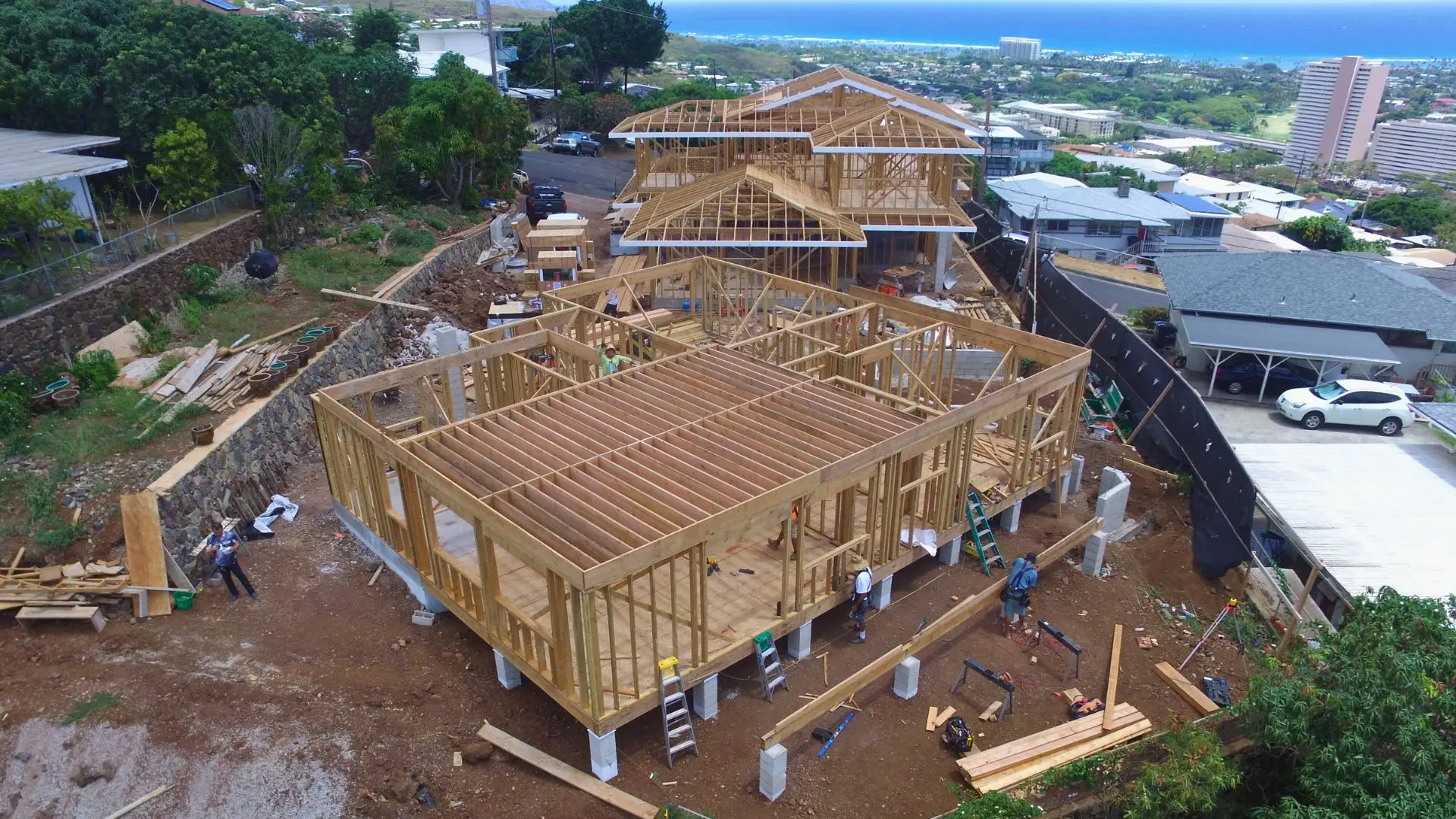
Building a home in beautiful Hawaii is an exciting adventure, but it can also feel overwhelming if you don’t know where to start. How do you navigate the delicate balance between capturing the island’s serene beauty and ensuring your project meets local regulations? Choosing a design-build contractor in Hawaii might seem like a simple task, but selecting the right one can greatly influence the success of your dream home. In this guide, we’ll break down everything you need to know—from finding the perfect contractor to understanding the unique challenges of constructing a home in Hawaii’s diverse environments. With careful planning and informed choices, you’ll be well on your way to creating a stunning sanctuary that reflects both your lifestyle and respect for Hawaii’s natural beauty.
The Design Build Contractor Project Guide offers a step-by-step outline of the entire process of working with a design-build contractor in Hawaii, covering essential phases such as initial consultations, project planning, design execution, and final construction. This guide also provides insights into local regulations, cost considerations, and tips for ensuring successful collaboration throughout your project.
Selecting Your Design-Build Contractor in Hawaii
The first step in ensuring a successful construction project is choosing a contractor who fully comprehends Hawaii’s distinct environment. The island’s weather and geological conditions can pose unique challenges, so it’s essential to research local contractors that specifically handle these island-specific issues. One effective way to start is by seeking recommendations from friends or family who have completed similar projects. Asking for referrals allows you to gather a shortlist of reliable candidates based on firsthand experiences.
A good contractor will not only possess the necessary skills but will also have an impressive portfolio demonstrating their ability to tackle projects in the climate like Hawai. You want someone who has dealt with the challenges of high humidity, salt air, and even volcanic activity—factors that can affect everything from material choice to construction methods. Look for testimonials or case studies of past work that might parallel your own vision. Engaging with prior clients often provides valuable insights.
Licensing and Insurance
In Hawaii, contractor licensing is not an option; it’s a necessity. All contractors must be licensed and insured, protecting both you as the homeowner and the contractors themselves during the project lifecycle. Before making a final decision, verify their credentials through the Department of Commerce and Consumer Affairs website. This verification ensures compliance with state regulations and standards that safeguard quality and safety during construction.
Similarly, make sure your contractor carries the appropriate insurance coverage. This includes liability insurance to protect against any damage that may occur during construction and workers’ compensation insurance for any injuries sustained on-site. By taking these precautions, you are not only safeguarding your investment but also ensuring peace of mind throughout the building process.
After verifying licenses and insurance, engage in conversations with potential contractors about your project details.
This isn’t just about assessing bids; it’s an opportunity to gauge their understanding of your expectations and whether they align with your vision for the project. Take note of how they communicate—do they listen actively? Are they willing to offer creative solutions?
A partnership built on open communication will serve you well in navigating what can sometimes be complex build processes in Hawaii’s distinct setting.
Following these steps diligently positions you well as you embark on transforming your dream home into a stunning reality with help from skilled professionals.
As we transition from selecting the right contractor, let’s look into the stages involved in bringing your unique vision to life through thoughtful design and planning elements.
The Design and Planning Process
The design and planning process is where your dreams begin to take shape. It’s not just about putting together a set of blueprints; it’s an intricate dance between creativity and practicality, ensuring that every aspect of your future home aligns with your aspirations. This phase consists of a series of methodical steps designed to refine your ideas into a tangible reality.
Initial Consultation
We kick things off with an initial consultation, which acts like a first date for you and your contractor. This isn’t merely about exchanging pleasantries; it’s the moment to lay your cards on the table. You’ll discuss aesthetics—think colors, materials, and style—and practical elements like budget, timeline, and any constraints you might face. This interaction is crucial as it lays down the groundwork for mutual understanding.
During this stage, open communication is vital. Don’t hesitate to express what excites or even worries you; sharing these insights propels everyone toward a more customized experience. Whether it’s your preference for minimalist designs or a desire for sustainable materials, every detail assists the contracting team in crafting an approach that mirrors your lifestyle.
Design Development
Following the initial chats comes one of the most exhilarating stages: design development. Here, the contractor’s design team springs into action, translating your dreams into preliminary sketches and concept drawings that breathe life into your vision. Expect regular meetings during this phase—these brainstorming sessions ensure your feedback holds significant weight.
It’s quite common for clients to request multiple revisions during this part; a survey by the American Institute of Architects revealed that nearly 50% of clients engage in several rounds of modification before landing on the final design. This iterative nature ensures your input continually shapes the project as it evolves.
Once these designs are checked off and you’ve given them your stamp of approval, it signifies a major shift—the focus now turns to meticulous planning that enables everything you’ve envisioned to come to life seamlessly.
This planning phase includes detailed documentation such as construction drawings and material specifications. There’s a careful selection process that aligns aesthetic choices with structural integrity while adhering to building codes and regulations specific to Hawaii’s unique climate challenges.
Detailed Planning
While some might consider planning merely administrative work, think of it as crafting a symphony of logistics—coordinating timelines, budgets, permits, and suppliers so that each section works in harmony once construction begins.
The beauty in this meticulous organization transforms ideas into bricks and mortar—creating spaces that resonate with who you are while functioning effortlessly in daily life.
As each systematic step is taken during design development and detailed planning, you’re not just preparing for construction; you’re positioning yourself for success throughout the entire project.
Transitioning from planning to execution sets an exciting foundation for personal expression in your living space. Let’s explore how you can enhance this space further by tailored modifications.
Customizing Your Home
Customization provides an opportunity to reflect your personality and lifestyle in every corner of your home. From architectural elements to interior nuances, each decision should echo your aspirations and values. This process personalizes your living space while creating a sanctuary that resonates with who you are.
As you embark on this journey, consider factors such as functionality, aesthetics, and harmony with the surrounding environment.
Interior Design Choices
The aesthetic appeal of your home can be greatly enhanced by choosing local materials. Opting for Koa wood for furniture or bamboo flooring evokes the natural beauty of Hawaii while paying homage to cultural heritage. These choices not only create a beautiful ambiance but also support local artisans and businesses, adding a meaningful layer to your home.
In fact, about 60% of our clients choose to incorporate sustainable and locally sourced materials into their builds, reinforcing a commitment to local craftsmanship and environmental stewardship.
When selecting these materials, think beyond just surface beauty; consider durability and maintenance in Hawaii’s tropical climate as well.
Smart Home Integration
As homes evolve, integrating smart technology is becoming increasingly standard. Imagine automated lighting that adjusts to the time of day or a climate control system that learns your habits to reduce energy consumption—this is efficiency at its finest. Smart security systems provide peace of mind by allowing you to monitor your home from anywhere in the world.
Incorporating these technologies upgrades your living experience while promoting energy conservation, leading to cost savings in the long run. Beyond that, these features future-proof your home—a factor that’s invaluable considering the rapid advancement of technology.
When considering smart home options, begin by identifying what aligns best with your personal lifestyle.
As you curate the features and materials of your home, remember that customization is an ongoing journey; it evolves alongside you and enhances everyday living. Transitioning into how various elements interact with the unique environmental aspects found in this paradise will further enrich your understanding of building in Hawaii.
Construction Environments in Hawaii
Building in Hawaii isn’t just about aesthetics; it requires a keen understanding of the local environment. The harsh climate poses significant challenges that could easily undermine a construction project if not properly addressed.
With high humidity levels, heavy rainfall, and occasional powerful hurricanes, homeowners need to prioritize durability. It’s important for contractors to utilize weather-resistant materials that can withstand these elements. For instance, at HK Construction, we focus on using hurricane clips and metal roof straps, which are essential for fortifying homes against strong winds and ensuring that a home remains intact during severe weather conditions.
Furthermore, moisture intrusion is a concern in the humid climate. Proper sealing of windows and doors, strategic placement of drainage systems, and the use of vapor barriers can thwart mold growth and prevent wood rot over time. Investing in quality craftsmanship here pays off immensely; it not only protects your investment but also ensures a comfortable living space free from dampness.
Soil and Terrain Considerations
Another critical factor when building in Hawaii is the unique soil composition and terrain. The volcanic soils found across the islands may present specific building challenges due to their loose structure and potential for erosion. This means contractors must perform thorough soil tests before laying foundations.
Understanding these characteristics allows us to choose the most suitable foundation types that provide stability and minimize risks related to settling over time.
For example, pier foundations can be an effective solution when dealing with unstable soils, providing a solid base elevated above potential moisture issues or shifting ground. Knowing how to navigate this terrain effectively is crucial—it goes beyond mere compliance with codes; it assures the longevity and safety of the structure itself.
As we shift our focus, let’s consider how specialized skills in coastal construction techniques allow for even greater adaptability when creating homes that truly complement Hawaii’s breathtaking environment.
Expertise in Coastal and Island Homes
When it comes to building homes in island and coastal settings like those found in Hawaii, a deep understanding of local climate and materials is essential. At HK Construction, we pride ourselves on this expertise, which goes far beyond following guidelines. It involves careful integration of functional design with aesthetic beauty, ensuring that homes not only stand the test of time but also harmonize with their stunning surroundings. By prioritizing resilience against the elements, we help clients enjoy safe, comfortable living spaces.
Saline Air Challenges
One of the most significant challenges homeowners face in these environments is the corrosive nature of saline air, which can wreak havoc on traditional construction materials. As salty ocean breezes permeate every nook and cranny, they can accelerate corrosion in metals and degrade organic materials. That’s why it’s vital for contractors to recommend long-lasting, corrosion-resistant alternatives such as stainless steel or specially treated wood.
Using these materials means not having to worry about rust or decay as much over time. This is where our experience truly shines. HK Construction has made it a priority to utilize materials tailored for durability against these harsh conditions. For instance, we exclusively use stainless steel fasteners—a small yet critical component that plays a major role in enhancing the longevity of coastal homes. These choices safeguard your investment and ensure that maintenance costs remain manageable.
Beyond just material selection, understanding how the outdoor spaces interact with the surrounding environment is equally important.
Outdoor Living Areas
Outdoor living spaces are an extension of any home, especially in Hawaii, where the allure of sun-kissed patios and lush gardens beckons residents outdoors. As experts in coastal design, we consider breezes and sunlight patterns when creating these areas. This ensures outdoor furniture can withstand windy conditions while maintaining comfort. We also incorporate landscaped features that provide shade without obstructing lovely ocean views, creating inviting spaces for family gatherings or tranquil retreats.
Further emphasizing harmony with nature, our designs often include native plants that contribute to biodiversity and require little maintenance—an important factor given the unique challenges posed by salt-laden winds and periodic heavy rains. In fact, using native flora helps reduce water usage while keeping landscapes healthy and vibrant.
By marrying durable construction with thoughtfully designed outdoor areas, HK Construction creates beautiful coastal homes that complement both the lifestyle of residents and their stunning landscape. The interplay between structure and natural beauty sets the stage for further exploration into how living spaces can be transformed into inviting sanctuaries.
Creating Outdoor Living Spaces
Outdoor living spaces are not just an addition to a home; they are extensions of our lifestyles, essential for soaking in the sun, sipping on fresh coconut water, and enjoying the gentle island breeze.
Imagine stepping out onto a beautifully crafted lanai or patio, where the boundaries between indoor comfort and outdoor paradise blur effortlessly. These spaces invite you to live life fully, allowing for gatherings with family and friends, barbecuing under the stars, or simply unwinding in a tranquil setting.
Lanais and Patios
When considering outdoor enhancements for your property in Hawaii, adding a lanai or patio is a fantastic investment. These structures offer protection from sudden showers while providing areas to socialize or relax. Features like outdoor kitchens can elevate your culinary experience by allowing you to grill fresh fish or create delicious local dishes right outside your door.
Imagine gathering with loved ones around a fire pit while sharing stories late into the evening; it’s an atmosphere that fosters connection.
One popular option among homeowners is a covered lanai equipped with a built-in Big Green Egg grill. This feature serves as a focal point for culinary enthusiasts and enhances the aesthetic of your outdoor area.
As we think about these vital outdoor additions, let’s also consider how landscaping plays into the overall design.
Landscaping with Native Plants
Incorporating native plants into your garden design helps create lush surroundings that blend seamlessly with nature. These plants thrive in Hawaii’s unique environment while supporting local ecology. By using them in your landscaping, you establish minimal-maintenance segments that are visually captivating.
Common choices among homeowners include:
- Naupaka – admired for its attractive white flowers.
- ʻŌhiʻa Lehua – known for its brilliant red blooms that attract hummingbirds.
- Ti Plant – offers vibrant foliage and can be used as an ornamental plant or privacy screen.
- Heliconia – adds tropical flair with its bold flower shapes and colors.
Not only do these native choices withstand the local climate well—requiring less water and upkeep—but they also contribute stunning visuals that enrich both your outdoor living experience and the surrounding ecosystem.
Ultimately, creating thoughtful outdoor spaces is about more than just aesthetics; it’s about fostering connections within our homes and communities while embracing Hawaii’s remarkable landscape.
To transform your home into an idyllic haven, reach out to us at HK Construction. Call us at (808) 841-1800 to discuss how we can bring your vision to life with excellence and care.