
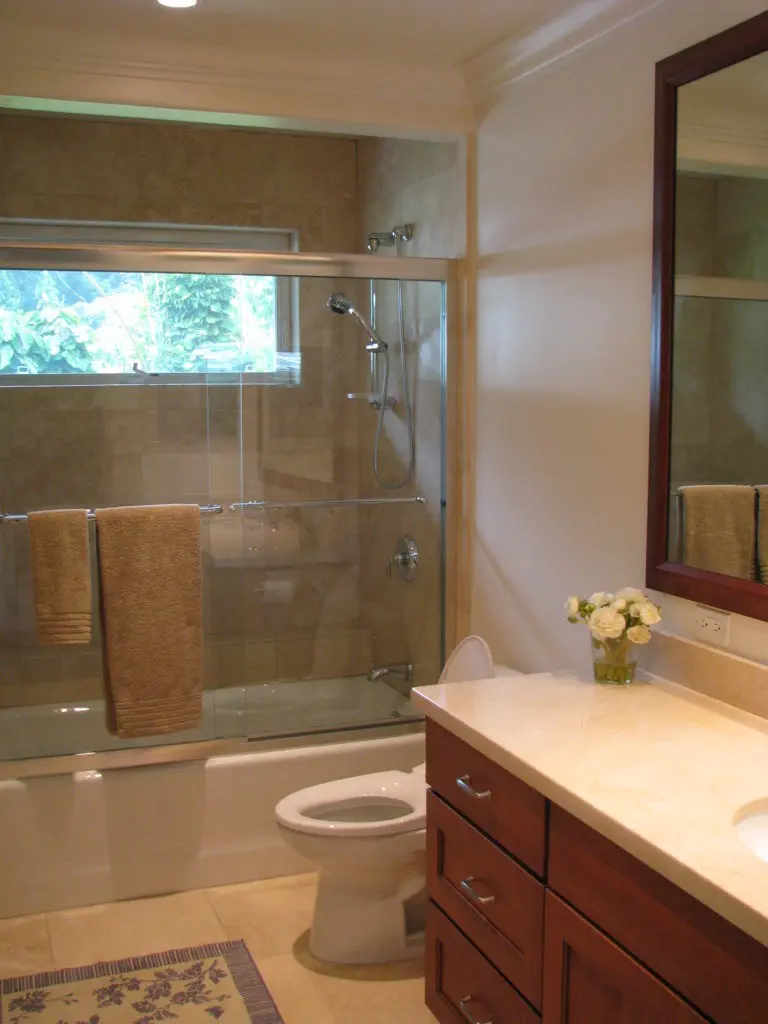
Remodeling a bathroom can feel exciting and overwhelming at the same time. You imagine a fresh, stylish space, but the reality of coordinating timelines, materials, and contractors often trips people up. The secret to avoiding those frustrating delays lies in careful planning from the very start. By thinking through each step before picking up a hammer, you set yourself up for a smoother, quicker project that delivers the bathroom you want without extra headaches.
To plan a bathroom remodel without delays, ensure all materials and fixtures are on hand before starting demolition, coordinate with certified professionals for plumbing, electrical, and tiling work, and build in extra time for unforeseen issues, especially in homes built before 1990. Clear communication with contractors, progressive payments tied to milestones, and thorough upfront planning, including layout design and waterproofing, can significantly reduce project interruptions and keep your remodel on schedule.
Research and Preparation
Starting your remodel with thorough research is essential because it informs every decision that follows. Scrolling through Pinterest boards or flipping through glossy design magazines isn’t just about finding pretty pictures; it helps you pinpoint the style that truly resonates with your taste and lifestyle. Whether you lean toward sleek modern minimalism, warm rustic charm, or something eclectic, having a clear vision reduces indecision later, which is a common cause of delays during remodeling projects.
But inspiration alone won’t see you through; you need to bridge desire with reality. Touring local showrooms offers a tactile experience; you can touch tile samples, test fixture finishes, and get an honest sense of colors and textures that photos simply can’t convey. This hands-on exploration prevents costly mistakes like ordering tiles or fixtures that look perfect online but disappoint in your actual space.
Don’t overlook the value of community wisdom. Online forums, especially subreddits like r/HomeImprovement and specialized Facebook groups, are treasure troves of firsthand remodeling stories, hiccups to avoid, and vendor recommendations. These conversations may reveal hidden challenges specific to your region’s climate or building styles, giving you a leg up in planning.
With a style direction and broader knowledge secured, the next step is assessing what your current bathroom can handle before tearing down walls.
Assessing Feasibility
A practical remodel begins by studying the layout and infrastructure already present. Careful measurement and mapping of plumbing lines and electrical circuits set boundaries for what changes are feasible without expensive rerouting. Knowing precisely where pipes and wires run will save time when discussing plans with contractors and prevent costly last-minute redesigns.
If your home was built before 1990, this stage takes on even greater importance. Aging infrastructure often means outdated wiring or brittle plumbing that doesn’t comply with modern safety standards. Planning for inspections and possible partial rewiring or repiping adds roughly 10% more time and nearly 20% extra to your budget but is vital for long-term durability and peace of mind.
Imagine the shock of beginning an upbeat renovation only to uncover corroded pipes hidden behind walls, delays spiral as plumbers have to reroute water supply lines before tiling begins. Factoring in this risk early means scheduling extra days to address such issues proactively rather than reacting under pressure mid-project.
Securing necessary permits tied to these upgrades follows closely after feasibility assessments. Skipping permits may initially seem expedient but risks major delays if inspections flag unapproved work later, potentially halting progress entirely until corrected.
Recent data from Angi’s State of Home Spending report highlights that 70% to 71% of homeowners experience project delays, largely driven by labor shortages, rising material costs, and scope changes. Industry experts emphasize that completing detailed planning—such as securing permits and finalizing contractor agreements early—is one of the most effective ways to mitigate these delays and keep projects on schedule.
Perhaps the most overlooked tip from seasoned remodelers is front-loading material purchases: waiting until demolition starts before ordering fixtures, tiles, or cabinetry almost guarantees delays stretching weeks beyond expectations, sometimes tripling project duration. Instead, gather all key materials first so the work can flow uninterrupted once walls come down.
At HK Construction, we emphasize comprehensive upfront preparation as the keystone for successful bathroom renovations. Combining inspiration, practical feasibility checks, skilled contractor sourcing, and meticulous permitting ensures your remodel stays on track without frustrating pauses or surprise expenses.
Understanding how crucial preparation is to keeping projects moving smoothly prepares us to tackle another fundamental aspect: managing the financial investment wisely to keep both budgets and expectations aligned.
Detailed Blueprint Creation
A detailed blueprint is far more than just a drawing; it’s the backbone of your entire bathroom remodel. It captures every measurement, spatial relationship, and fixture placement with exactness, ensuring that every step downstream, from demolition to installation, unfolds without costly surprises or delays.
Precise measurements are the foundation here. Taking a tape measure and carefully recording every dimension, including walls, doorways, windows, and ceiling height, is essential. Even small deviations at this stage can cascade into major alignment problems later.
After measuring comes sketching a rough layout to give shape to your ideas. Don’t just draw where you think the vanity or shower should go; consider how you move within the space and how accessible each element will be. A cramped bathroom causes daily frustration despite beautiful finishes.
This is why many homeowners find great value in consulting with an experienced designer or architect at this point. They bring expertise to optimize flow, maximize storage potential, and foresee issues that might otherwise emerge only after demolition has begun.
Incorporating functional elements beyond the obvious fixtures transforms your bathroom from merely serviceable to genuinely comfortable and practical. Consider built-in shelves, towel racks, or niche lighting early on so they integrate seamlessly rather than feel like afterthoughts hammered in at the last minute.
Storage deserves special attention because even luxurious bathrooms falter without intelligent organization for toiletries and linens.
Finalizing blueprints involves creating comprehensive diagrams that contractors can follow down to specifics like plumbing layouts, electrical outlet placement, especially for lighting and heated floors, and tile patterns, if applicable.
It’s worth noting that around 30% of remodel delays trace back to blueprint errors or omissions. Therefore, investing time upfront in revising your plans multiple times reduces headaches during construction. Professional software such as AutoCAD or SketchUp helps render these plans clear and standardized for all parties involved.
Creating detailed blueprints may seem painstaking but this investment pays off by preventing costly surprises during your remodel. At HK Construction, we recommend homeowners embrace this meticulous phase with patience and professional help when necessary. It’s the best way to keep your project on schedule and within budget while creating the bathroom you truly want.
With a robust plan firmly in place, the next logical focus shifts to selecting the right materials and fixtures, the tangible elements that will shape both aesthetics and functionality in your new bathroom space.
Material and Fixture Selection
Selecting the right materials and fixtures is pivotal in defining both the visual appeal and longevity of your bathroom remodel. The key lies in balancing aesthetics with practical considerations like durability and maintenance needs. For example, marble countertops offer timeless elegance but require more care to prevent staining or etching. Meanwhile, quartz surfaces, though often more budget-friendly, deliver excellent resistance to scratches and moisture, which suits everyday bathroom use.
Choosing between high-quality options like natural stone or designer fixtures and more cost-effective alternatives such as porcelain tiles or engineered surfaces can be challenging. Premium components do tend to elevate the space dramatically and may even enhance your home’s resale value. Studies indicate you often recoup around 60% of what you invest in these upgrades. Yet, quality on a budget has made significant strides, allowing homeowners to achieve a polished look without overspending.
It’s important not to get swept up solely by price tags or trends; think long-term about how your choices will age with daily wear and exposure to water and humidity. Marble’s beauty might fade quickly if left unsealed or scratched, while lower-cost tiles with modern finishes can offer impressive stain resistance and easier upkeep, making them smart picks for busy households or rental properties.
Maintenance plays an equally vital role in material selection. Some popular aesthetic choices like the current warm amber and caramel-hued tiles trending this year bring inviting tones into both traditional and contemporary bathrooms, yet their glazed finishes often make cleanup straightforward. Similarly, colored fixtures such as pistachio green toilets or ruby-red faucets are eye-catching but typically demand more careful cleaning to preserve their vibrancy and avoid fading, especially when exposed to harsh chemicals.
Another factor worth emphasizing is how built-in features, like tub surrounds using large-format stone or extended tiling, contribute both style and practicality. These designs streamline cleaning by reducing grout lines and provide handy storage ledges, blending form and function beautifully.
Beyond just materials, fixture selection merits equal attention since they influence not only style but also usability and plumbing compatibility.
When picking faucets, showerheads, and accessories, consider finishes that complement your tile colors yet withstand daily handling without tarnishing or spotting easily. Matte black, brushed gold, and chrome remain popular choices, offering both modern flair and durability. Don’t forget ergonomics either: smooth handle movements, user-friendly controls, and water-saving technology all enhance long-term satisfaction.
Finally, sourcing your materials early minimizes project delays caused by backorders or permit reviews tied to specific fixtures. By locking down selections ahead of time, you protect your schedule against common remodeling pitfalls.
Balancing aesthetic appeal with reliability will keep your remodel beautiful well beyond installation day.
Securing the right materials sets a solid foundation for success; next comes finding skilled hands to bring your vision alive without adding unnecessary obstacles.
Contractor Hiring Tips
Hiring the right contractor is not just about finding someone with tools and a truck; it’s about securing a partner who understands your project’s scope and timeline. The process starts by ensuring the contractor possesses the proper credentials. Licensing proves they meet state requirements for safety and competency, while insurance protects you from liabilities such as accidents on the job. Without these basics in place, you risk costly delays or legal troubles.
Beyond paperwork, reviewing a contractor’s portfolio reveals how well their style and quality match your expectations. Look for completed bathroom remodels similar in size and complexity to yours. This helps you gauge their craftsmanship and attention to detail. But portfolios don’t tell the whole story; reading customer reviews fills in gaps about communication, reliability, and problem-solving during projects.
Don’t hesitate to ask for references. Speaking directly with past clients offers insights no website or portfolio can provide. Find out if projects finished on time and stayed within budget and how responsive the contractor was when challenges arose. These conversations help you avoid contractors who might threaten your remodel’s smooth timeline.
- Check Credentials: Confirm valid license and insurance.
- Review Portfolio: Assess past work relevant to your remodel.
- Read Reviews: Gather feedback from multiple platforms.
- Ask for References: Verify firsthand client experiences.
- Get Multiple Bids: Compare proposals from at least three contractors.
Comparing multiple bids is more than hunting for the lowest price; it’s about understanding what each contractor includes versus omits. Sometimes a lower bid lacks crucial steps or quality materials, which leads to delays or extra costs later. Ask for detailed breakdowns so you’re comparing apples to apples.
After narrowing down your candidates based on credentials and references, don’t overlook the importance of clear communication. Establishing transparent expectations early on, from timelines to payment schedules, creates mutual trust that guards against delays and misunderstandings as your bathroom takes shape.
Addressing Common Issues
One challenge that homeowners often don’t anticipate until the demolition phase is uncovering hidden damage. Water intrusion behind walls or beneath flooring isn’t always obvious from the surface. Unfortunately, once those layers come down, mold and rot sometimes reveal themselves, demanding immediate attention.
This unexpected discovery can significantly prolong your timeline and inflate your budget if you’re unprepared. The smartest way to reduce this risk is to conduct a thorough pre-inspection before picking up any tools. Hiring a qualified professional, or even doing a detailed visual check yourself, helps identify weak spots early on. Budgeting for possible repairs in advance will save you last-minute stress when the project is underway.
Moving from structural surprises to logistical challenges, supply chain delays rank high among the causes of frustration during remodeling projects.
Materials and fixtures arriving late can grind work to a halt. If your new shower door or tiles are stuck in transit, your contractor’s hands are tied. This scenario underscores why ordering everything well ahead of schedule is crucial.
Industry data suggests adding at least a 20% buffer time around delivery estimates to accommodate unexpected hold-ups. Partnering with suppliers known for their reliability is another way to mitigate these risks. Reliable vendors not only speed up deliveries but also ensure item quality, sparing you from having to chase replacements later on.
Planning ahead means balancing optimism with realism: start by creating a detailed inventory of all materials and fixtures, placing orders only after confirming availability and delivery timelines with suppliers.
Keep communication lines open, not just with your contractor but also with your vendors, to catch potential snags before they snowball.
For homeowners planning a bathroom remodel in Honolulu or across Oahu, the key to avoiding delays comes down to preparation, smart material selection, and working with an experienced home renovation contractor. At HK Construction, we specialize in design and construction services, helping homeowners streamline their projects with expert planning, reliable timelines, and high-quality craftsmanship. Whether you’re upgrading a single bathroom or exploring full home remodeling services, our team is here to guide you every step of the way. Contact HK Construction today to schedule your consultation and bring your renovation project to life without unnecessary delays.